




Choosing an tonometer is’t just a matter of comparing prices. The right device depends on the use scenario, patient reception volume, portability needs, measurement methods, workflow and local regulatory requirements.
For hospitals may be better suited for automated, non contact tonometers, while mobile screening teams may place greater value on compact, portable handheld tonometers. In addition, the needs of ophthalmology clinics specializing in the treatment of glaucoma patients differ from those of optometry practices that conduct routine intraocular pressure screenings.
This guide explains the main tonometer types, specifications and purchasing considerations for clinics, hospitals, optical stores and medical equipment distributors in 2026.
What Does a Tonometer Measure?
The eye pressure tonometer measures intraocular pressure (IOP), usually expressed in mmHg. It is a crucial part of a comprehensive eye exam and glaucoma evaluation.
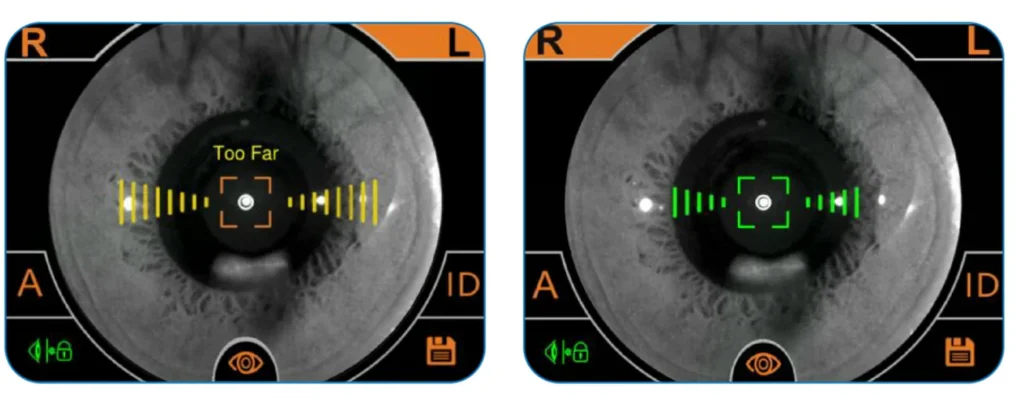
Different tonometers determine eye pressure using different measurement principles. Common methods include:
- Applanation tonometry – measures the force required to flatten a defined area of the cornea.
- Non-contact tonometry – uses a controlled air pulse instead of directly touching the cornea.
- Rebound tonometry – uses a lightweight probe that briefly contacts the cornea and analyzes its rebound behavior.
If you need a more detailed explanation of the measurement principles, read What Is a Tonometer and How Does It Work?.
For buyers, however, the more important question is not simply how tonometry works. It is which technology fits your clinical and operational requirements.
Applanation vs. Non-Contact vs. Handheld Tonometers
There is no single tonometer configuration that suits every practice.
The first purchasing decision should therefore be based on the intended application.
| Tonometer Type | Metode Pengukuran | Main Advantages | Points to Consider | Suitable Applications |
|---|---|---|---|---|
| Applanation Tonometer | Corneal applanation | Established clinical method; useful for glaucoma assessment | Requires corneal contact and trained operation | Klinik mata, rumah sakit |
| Non Contact Tonometer | Controlled air puff | Fast, no direct corneal contact, efficient workflow | Larger footprint and power requirements | Optical stores, clinics, screening centers |
| Handheld/Rebound Tonometer | Small rebound probe | Portable and easy to move between patients | Probe handling and consumables should be considered | Mobile screening, bedside use, clinics |
| Automatic NCT | Automated air-puff measurement | Reduced operator steps and high throughput | Higher equipment investment than basic units | Busy clinics, hospitals, chain optical stores |
The differences become especially important when purchasing several units or building a complete examination room.
When Should You Choose a Non Contact Tonometer?
A tonometer non-kontak is particularly useful when patient throughput and ease of operation are priorities.
Because there is no direct corneal contact during measurement, it can simplify routine screening workflows. Automated positioning and measurement functions can further reduce operator involvement.
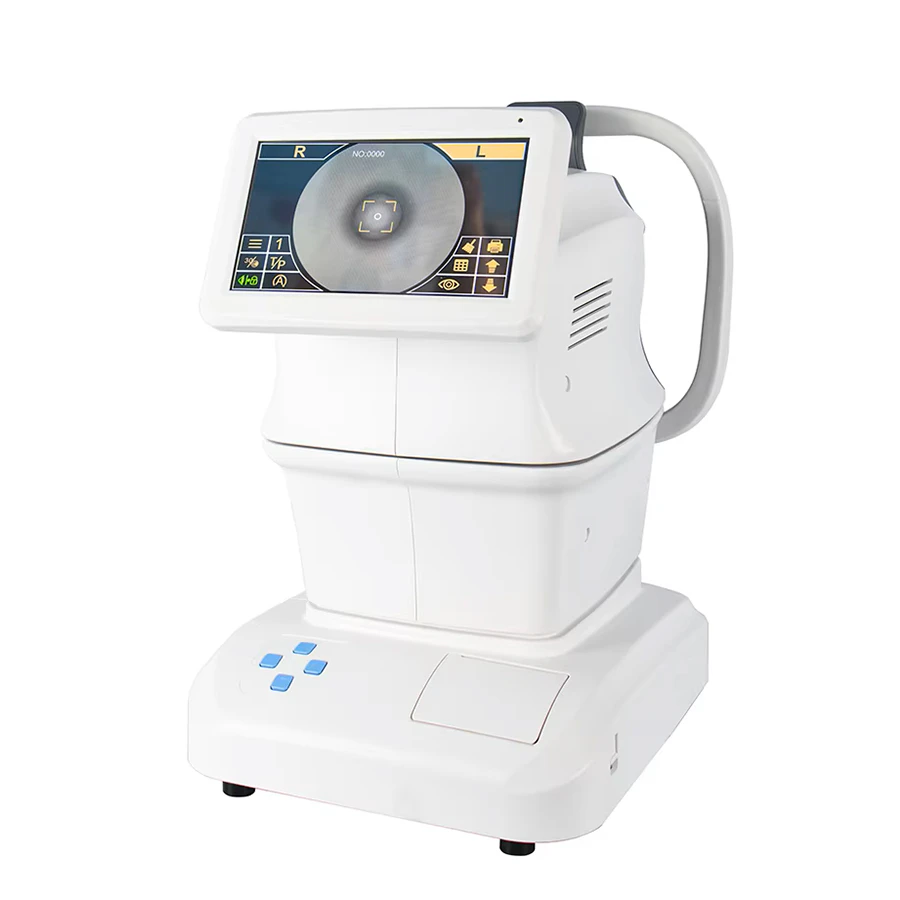
For example, a high-volume eye clinic should evaluate features such as:
- Automatic XYZ alignment
- Auto focus
- Automatic measurement of both eyes
- Measurement range
- Touchscreen operation
- Built-in printer
- Patient safety mechanisms
- Data output and connectivity
- Corneal thickness compensation, where available
These features can matter more over several years of daily operation than a small difference in initial purchase price.
When Is a Handheld Tonometer More Practical?
A handheld tonometer makes sense when the examination cannot always be performed at a fixed workstation.
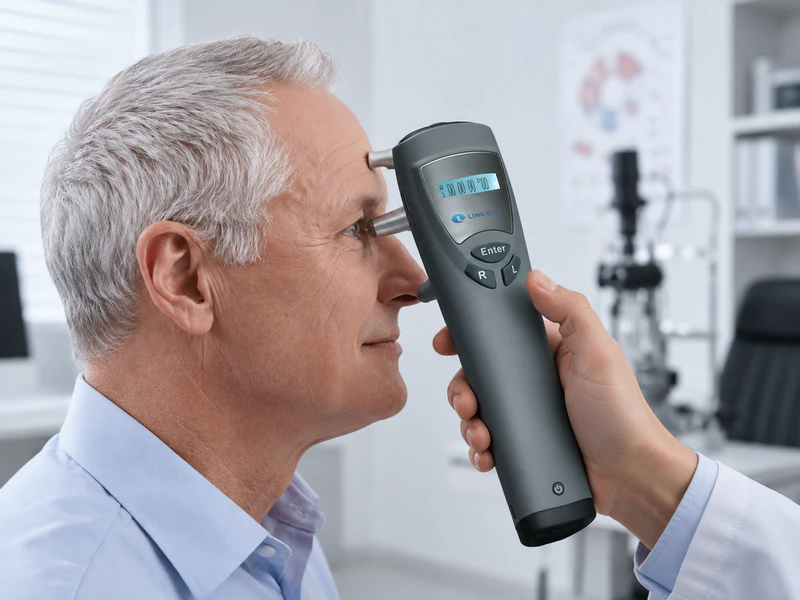
Common applications include:
- Bedside examinations
- Mobile eye screening
- Home visits
- Pediatric examinations
- Patients with limited mobility
- Clinics with limited examination-room space
For example, LINKEYE’s SW-500 handheld rebound tonometer provides a 3–70 mmHg measurement range. Its specified measurement error is ±1.5 mmHg between 3 and 25 mmHg and ±2.5 mmHg above 25 mmHg up to 70 mmHg.
For procurement teams, specifications like these are much more useful than simply seeing “high accuracy” on a supplier’s sales page.
5 Specifications to Check Before Buying a Tonometer
Before buying a tonometer to measure intraocular pressure (IOP), you must evaluate measurement accuracy, corneal thickness correction, portability, data connectivity, and ongoing calibration costs.
1. Measurement Accuracy
Sebuah eye pressure tonometer must provide consistent measurements.
Ask the supplier for:
- Stated measurement accuracy
- Resolusi
- Repeatability information
- Calibration procedures
- Quality-control documentation
For distributors, having these documents available also makes technical discussions with local clinics easier.
2. Automatic Alignment
In busy practices, automatic positioning can reduce repetitive manual adjustments.
Some automatic non-contact systems use XYZ positioning, eye detection and autofocus to locate the patient’s eye before measurement.
This can improve workflow consistency, especially when several operators use the same machine.
3. Corneal Thickness Compensation
Corneal characteristics can influence IOP interpretation.
Some advanced non-contact models therefore incorporate corneal thickness measurement or IOP correction functions.
If this capability matters to your clinical workflow, verify exactly how the device measures or applies corneal thickness information rather than assuming every automatic tonometer includes it.
4. Patient Throughput
Consider how many examinations will be performed each day.
A clinic seeing 10 patients and a hospital screening 100 patients do not have the same requirements.
For higher-volume environments, prioritize:
automatic positioning → fast measurement → simple results display → printing/data transfer → easy transition to the next patient.
5. Portability
Do not evaluate portability from product dimensions alone.
For a genuinely mobile handheld tonometer, consider:
- Device weight
- Battery operation
- Carrying case
- Probe storage
- Printer availability
- Power consumption
- Ease of cleaning between patients
These details determine whether the device is practical outside a fixed examination room.
6. Certification and Regulatory Documentation
Because of the different requirements of different markets, hospitals and dealers should confirm the status of the certification of the particular model purchased, and should not rely solely on the company level.
Also request relevant technical files and registration support when local market authorization is required.
How Much Does a Tonometer Cost in 2026?
There is no meaningful single “tonometer price.”
Pricing changes significantly depending on measurement technology, automation, connectivity, accessories, order quantity and certification requirements.
A basic applanation configuration and a fully automatic non-contact system should not be compared only by purchase price.
When requesting a quotation, ask suppliers to specify:
- Exact model and configuration
- Included accessories
- Printer and consumables
- Software or data connectivity
- Calibration accessories
- Spare parts
- Garansi
- Shipping terms
- Technical support
- Distributor or bulk-order pricing
This creates a more accurate total cost of ownership comparison.
For current pricing, buyers can review LINKEYE’s Tonometer product range and request a quotation based on the required model, quantity and destination market.
How Different Buyers Should Choose
Eye Clinics & Optical Stores
- Pertimbangkan: Simple operation, high throughput, low learning curve.
- Recommend: Automatic non-contact models.
Hospitals & Ophthalmology Departments
- Pertimbangkan: High measurement accuracy, workflow integration, data documentation, service support, diagnostic compatibility.
- Recommend: Goldmann applanation or integrated clinical desktop systems.
Mobile Screening Teams
- Pertimbangkan: Lightweight design, battery operation, fast setup, easy transport.
- Recommend: Handheld or rebound models.
Medical Equipment Distributors
- Pertimbangkan: Certification compliance, spare-parts availability, technical training, OEM/ODM options.
- Recommend: Manufacturers with comprehensive after-sales support networks.
Why Source LINKEYE Tonometers?
Instrumen LINK Shanghai has more than 15 years of experience in ophthalmic and optometric equipment and supplies equipment for hospitals, eye clinics, optical shops and distributors.
Its ophthalmic equipment portfolio includes rebound tonometers, non-contact tonometers and applanation tonometers, allowing buyers to source different IOP measurement solutions from one supplier.
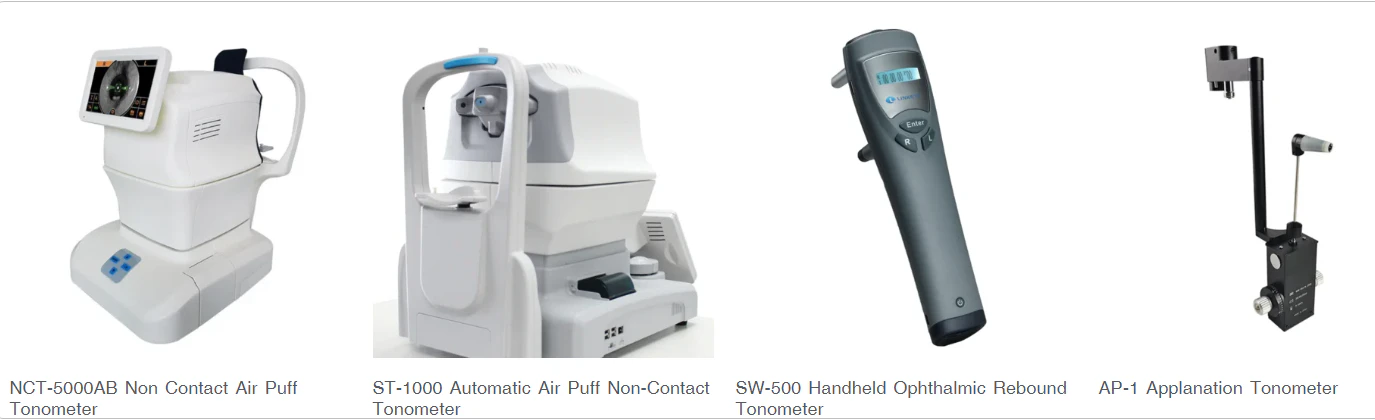
For international procurement and distribution projects, LINKEYE also provides:
- ISO 9001 and ISO 13485 quality management support
- CE/FDA-related product certification and documentation
- OEM and customized equipment support
- Technical assistance and after-sales support
- Spare parts and accessories
- Global distribution experience
Certification requirements vary between models and destination markets, so buyers should confirm the applicable documentation for the exact tonometer and country before ordering.
Kesimpulan:
A tonometer is a long-term clinical equipment purchase. Start with the intended application. Then compare measurement technology, range, accuracy, automation, portability, documentation, service support and total ownership cost.
Non-contact tonometers may be suitable for optometry centers with high daily patient volumes; handheld rebound tonometers are more practical for mobile or bedside examinations; and applanation tonometers may be better suited to specific clinical workflows.
LINKEYE supplies multiple tonometer configurations for clinics, hospitals, optical stores and medical equipment distributors.
Find the Right Tonometer for Your Application
Choosing the right tonometer depends on the measurement method, clinical application, patient volume, portability requirements, and local regulatory requirements. Clinics may prioritize efficient daily operation, while hospitals and distributors may need to consider technical specifications, documentation, after-sales support, and long-term supply.
Kirim LINKEYE your required tonometer type, target market, quantity, certification needs, and OEM requirements to receive a suitable product configuration and B2B quotation.
→ Request a Tonometer Product Catalog
→ Minta Sampel atau Penawaran Harga dari Distributor


